
Archive for:

Author Archive for Admin

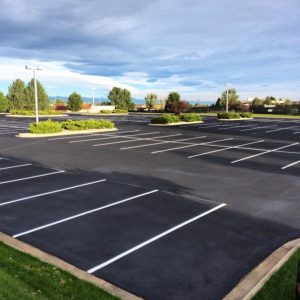
How Commercial Properties Plan Line Striping for Safer, Cleaner Lots

If your parking lot markings are fading, the problems show up fast: confusing circulation, blocked fire lanes, and tenants asking where to park. Along the Front Range, sun exposure and winter abrasion can make lines disappear sooner than many property teams expect.

This guide gives you a practical way to plan line striping so your site stays organized, compliant, and easy to use, without creating unnecessary downtime for customers, staff, or deliveries.

Key Takeaways

  • Effective line striping starts with verifying how vehicles and pedestrians actually move through your property.
  • Denver’s UV exposure and winter plowing make material choice and scheduling as important as the layout.
  • Phased closures and clear access control protect fresh markings and reduce tenant disruption.
  • A simple scope map and closeout documentation prevent rework and support future maintenance cycles.

Uptime-First Approach to Line Striping in Denver

Along corridors like I-25 and I-70, lots see a mix of commuters, delivery traffic, and seasonal weather that can turn a simple repaint into a disruption if the plan is thin.

A strong result starts by locking in how your site actually functions day to day, then building the layout and schedule around that reality.

Traffic Flow Assumptions Get Verified Before Layout Decisions

Before paint goes down, the smart move is confirming where vehicles and pedestrians really move, especially in mixed-use areas like RiNo and the Highlands, where rideshares, loading, and short-term parking overlap.

That walkthrough should capture peak-hour pinch points, delivery paths, and “informal” behaviors like shortcut turns that chew up corners and stop bars.

We use that early field check to align striping with how your property operates now, not how it looked on a plan set years ago.

Stall Geometry and Accessible Routing Drive the Whole Pattern

Once traffic flow is clear, the next step is building a layout that supports circulation while protecting accessible parking and pedestrian routes, which can be tricky in older lots around Capitol Hill with tight dimensions.

Decisions like angled vs. 90-degree stalls, end-cap buffer zones, and where crosswalks land affect everything that follows, including signage needs and where snow gets staged after storms.

If the site has multiple buildings or entrances, placing accessible stalls near the most practical accessible route reduces conflicts and keeps re-striping from becoming a recurring fix.

Marking Materials Get Chosen for High-Altitude Sun and Winter Wear

In Denver, high-altitude UV can fade markings, and winter plowing plus de-icing materials can grind them down, especially on exposed corners and main drive aisles.

The best-performing option depends on traffic volume, surface condition, and whether you are marking asphalt, concrete, or a mix across retail pads and loading aprons.

When we plan striping as part of pavement maintenance, we treat it like a durability decision, not a cosmetic one, so the layout and material match the wear patterns you actually have.

Weather Windows and Site Operations Decide the Schedule

Striping success depends on dry pavement and workable temperatures, which is why scheduling matters so much during shoulder seasons when mornings can be cold and afternoons can swing warmer fast.

Properties near Cherry Creek or Downtown often need phased closures to keep parking and access available, while industrial sites along the I-70 corridor may need to keep truck routes and dock access open.

A phased plan with clear closure areas, timing, and reopening points keeps operations moving and prevents fresh lines from getting tracked or smeared.

Surface Prep and Clean Lines Determine How Fast You Reopen

Even the best layout fails if the surface is dusty, damp, or contaminated, which is common after winter sanding or when snowmelt leaves moisture in shaded areas near north-facing buildings.

Proper prep means getting the pavement clean and dry, then laying out straight, consistent lines and stencils so drivers can read the lot at a glance.

Typical striping paint is dry within about one hour and fully cured within 4–6 hours, so the execution plan should protect fresh markings until they can handle traffic.

Maintenance Rhythm Prevents Emergency Re-Striping

Instead of waiting until tenants complain, many property teams plan touch-ups after winter and a fuller refresh on a predictable cycle, especially for high-traffic drive aisles and accessible markings.

Pairing line striping with other pavement maintenance, like sealcoating or targeted repairs, often reduces rework because the surface and markings are renewed in the right order.

Building this into your annual plan is especially helpful for multi-tenant sites along Colfax or South Broadway, where traffic is steady, and disruption is expensive.

Scope, Scheduling, and Access Choices That Prevent Rework

In busy Denver properties, the biggest striping failures are not technical; they are coordination failures that force crews to redo work or leave gaps.

The goal is to define the scope clearly, control access during application, and finish with documentation that supports ongoing site management.

Scope Gets Locked in With a Simple Marking Map

A clear scope starts with a basic map that shows stall counts, traffic arrows, crosswalks, loading zones, fire lanes, and any reserved or tenant-specific areas, which is essential at office parks in the Denver Tech Center or large retail centers with multiple pads.

If you are changing the pattern, note what is driving the change, such as circulation fixes, new accessible routes, or shifting tenant needs.

That one-page reference reduces last-minute decisions in the field and keeps your budget and timeline tied to measurable quantities.

Access Control Prevents Smears, Conflicts, and Complaints

Even when the work itself is quick, uncontrolled traffic ruins results, so access planning should include cones, barricades, and clear “open vs. closed” zones that make sense to drivers.

For multifamily properties in areas like Wash Park or Baker, that often means splitting work by building or by row so residents can still park within a reasonable distance.

A short tenant notice with dates, closure areas, and where to park avoids confusion and helps you reopen sections as soon as they are ready.

Closeout Details Make Future Changes Easier

After the job, it helps to capture what was marked and where, especially if your team rotates vendors or needs to prove lot organization for internal audits and safety reviews.

Photos of key areas, a final scope note, and a recommended refresh cadence for heavy-wear zones make the next maintenance cycle simpler and less reactive.

If the project ties into broader improvements like ADA ramps, curbs and gutters, or drainage corrections, keeping those notes together supports smarter planning for the next budget year.

Next Steps With ABC Asphalt, Inc.

If you manage a commercial property in Denver and need clearer traffic flow, compliant markings, and a plan that minimizes downtime, ABC Asphalt, Inc. can help you scope and schedule the work realistically.

Our team supports parking lot striping alongside asphalt paving, asphalt repair, pavement maintenance, sealcoating, and concrete work, so the markings fit the condition of the surface.

Contact us to schedule a site walk and get a clear, practical scope for your next striping project.

Frequently Asked Questions

How long does parking lot striping take to dry in Denver weather?

Typical striping paint is often dry within about one hour and fully cured within 4–6 hours. Cooler temperatures, shade, and damp pavement can slow that timeline, so scheduling around dry conditions matters. Keeping traffic off freshly painted areas until curing is complete helps avoid smears and premature wear.

How often should a commercial lot be restriped?

Many high-traffic commercial lots benefit from a refresh roughly every 1–2 years, but the right timing depends on traffic volume, sun exposure, and winter abrasion. Drive aisles, corners, and accessible markings usually wear first. A planned touch-up after winter can extend the time between full re-stripes.

Should line striping happen before or after sealcoating and repairs?

Striping usually performs best after the surface is in good condition and any sealcoating or repairs are complete. When markings go down too early, later work can cover them or force rework. Coordinating the sequence as part of pavement maintenance reduces wasted time and cost.

What should a property manager prepare before requesting a striping proposal?

A basic site map or overhead image marked with goals is a strong start, along with your preferred work hours and any access restrictions. Notes about loading zones, tenant-reserved stalls, fire lanes, and accessible routes help define the scope. If you expect layout changes, sharing the “why” behind them speeds up planning and avoids last-minute field decisions.
Is Driveway Sealcoating Worth It If Your Asphalt Looks Fine?

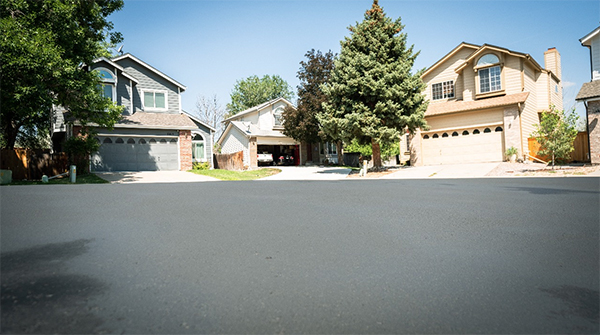
If you live in Denver, it is common to look at a smooth black driveway in neighborhoods like Stapleton or Highlands Ranch and wonder if sealcoating is really necessary yet. Preventive sealcoating often makes sense even when your asphalt looks fine on the surface.

Our freeze-thaw cycles, intense sun, and dry air quietly wear asphalt down before damage becomes obvious. Below, we break down when sealcoating is worth it and what to think through before scheduling service.

Key Takeaways

  • Sealcoating can be worthwhile even when the asphalt still looks smooth and black.
  • Denver’s sun and freeze-thaw cycles age asphalt before visible damage appears.
  • Timing, weather, and existing conditions matter more than appearance alone.
  • Preventive sealcoating often costs far less than early driveway replacement.

When Preventive Sealcoating Makes Sense

Even when asphalt looks fine, preventive sealcoating makes sense in a few specific situations that are common for Denver homes.

Newer Driveways Exposed To Strong Sun

Asphalt that is two to five years old often looks perfect, but UV exposure along the Front Range slowly dries out the surface oils. In areas like Central Park and Green Valley Ranch, south-facing driveways take the brunt of Denver’s high elevation sun.

That sun exposure leads to oxidation, which causes asphalt to lose flexibility long before cracks show up. Sealing at this stage helps block UV rays and retain those protective oils.

The practical takeaway is that sealcoating early helps extend the life of newer residential driveways.

Driveways Facing Freeze-Thaw Stress

Denver sees frequent temperature swings, especially in spring and fall, near neighborhoods like Lakewood and Wheat Ridge. Even tiny surface pores allow moisture in, which expands when it freezes overnight. Over time, that expansion weakens the asphalt from within, even if the surface still looks smooth.

Sealcoating creates a barrier that limits water intrusion during snowmelt and rain. Homeowners who seal early often avoid the first round of cracking caused by freeze-thaw cycles.

Asphalt With Light Surface Oxidation

Faded gray asphalt is an early sign of oxidation, not just a cosmetic issue.

Many homes built in the 1990s around Aurora and Centennial have driveways at this stage. The surface may feel slightly rough, but still be structurally sound. Sealcoating at this point restores flexibility and slows further surface wear.

The key benefit is preserving the asphalt before small issues turn into visible cracking.

Homes Where Long-Term Maintenance Matters

For homeowners planning to stay put, preventive sealcoating supports a long-term maintenance strategy. In Denver’s residential areas, full driveway replacement can easily cost several thousand dollars, depending on size and access.

Sealcoating every few years is far less expensive and helps delay that replacement. It works best when paired with basic crack monitoring and good drainage.

The main takeaway is that sealcoating protects your investment when longevity is the priority.

Things to Consider Before Scheduling Driveway Sealcoating

Sealcoating is not automatic for every driveway, and a few factors should guide the timing for Denver homeowners.

Existing Cracks or Structural Issues

Sealcoating is not a fix for cracks, alligatoring, or sinking areas. In older neighborhoods like Englewood or Arvada, some driveways already have movement from expansive soils common in Colorado. Those issues need repair before any sealcoat is applied.

Sealing over active damage can trap moisture and make problems worse. The smart approach is to evaluate asphalt repairs first, then sealing once the surface is stable.

Timing Around Denver’s Weather Patterns

Sealcoating requires dry conditions and daytime temperatures typically above 50 degrees for proper curing. In Denver, the best window is usually late spring through early fall, avoiding sudden cold snaps.

Afternoon thunderstorms along the foothills can also disrupt curing if not planned around. Scheduling during stable weather reduces tracking, peeling, and uneven finish. Planning makes a noticeable difference in results.

HOA Rules and Neighborhood Standards

Some Denver metro HOAs, especially in newer developments, have rules about driveway appearance and timing of exterior work.

Sealcoating darkens the surface significantly at first, which may require approval in certain communities. It is important to check the HOA guidelines before scheduling service. This step avoids delays or compliance issues after the work is done.

A quick review upfront keeps the process smooth.

Usage and Daily Wear

Households with multiple vehicles or frequent deliveries may see faster surface wear. In areas near schools or parks like Washington Park neighborhoods, short trips and frequent turning stress asphalt more than long commutes.

Sealcoating helps, but heavy use may shorten its lifespan slightly. Understanding how your driveway is used helps set realistic expectations.

The takeaway is that lifestyle affects how often sealing is beneficial.

Protect Your Driveway Before Problems Start

Small surface changes today can turn into costly driveway repairs after a few Denver winters. Sealcoating at the right time helps block sun damage, moisture, and everyday wear before cracks appear.

At ABC Asphalt, Inc., we inspect residential driveways carefully and recommend sealcoating only when it truly makes sense for your home. If you want clear guidance and professional application, schedule service or request a quote with us this season.

Frequently Asked Questions

How often should I sealcoat my driveway in Denver if it still looks good?

Most residential driveways in Denver benefit from sealcoating every two to three years, depending on sun exposure, snowmelt, and daily use.

Can sealcoating help with the small hairline cracks I barely notice?

Sealcoating can help protect against moisture intrusion, but visible cracks should be properly filled first to meet best practices for asphalt maintenance.

Does sealcoating make my driveway slippery in winter?

Properly applied sealcoat includes sand additives for traction, and normal snow removal practices keep winter safety consistent with unsealed asphalt.

Is sealcoating affected by Denver building codes or permits?

Residential driveway sealcoating typically does not require permits, but local HOA guidelines and drainage rules should always be reviewed before scheduling.

7 Mistakes to Avoid When Scheduling Parking Lot Patching


Parking lots around Denver take a beating from freeze-thaw cycles, heavy UV, and the steady stream of traffic near spots like Civic Center Park and Cherry Creek. Many property owners try to get patching done fast, then run into delays that cost time and money.

The good news is that most of the problems we see at ABC Asphalt, Inc. come down to predictable planning mistakes. If you know what to avoid, you can keep your lot safe, clean, and ready for customers.

In the sections below, we walk through the seven mistakes we see most often and then share the steps to building a smooth schedule in Denver.

Key Takeaways

  • Denver’s climate makes quick action on pavement issues essential.
  • Local traffic patterns shape the best time to schedule patching.
  • Permit checks and communication prevent delays and extra costs.
  • A structured plan keeps patching smooth and efficient.

Mistake 1: Waiting Until Potholes Spread

Delayed asphalt patching lets moisture sink deeper into the base.

In Denver’s winter freeze patterns around Highland and Montbello, this leads to rapid expansion that pushes weak spots wider. We often see small surface cracks turn into four-foot potholes by late February after a few sudden freeze nights.

Once the sub-base softens, asphalt repairs take longer and cost more.

The simplest fix is calling for patching as soon as the first cracks show, so the work stays quick and inexpensive.

Mistake 2: Ignoring Weather Windows

Our patch crews plan everything around temperature and ground moisture because asphalt will not bond well when the surface is too cold or wet.

In Denver, this becomes a challenge when storms drop in fast over areas like Park Hill or Lakewood. We often see sites scheduled the same week a snowstorm hits, then the project needs rescheduling, and the lot stays rough longer.

Planning two-week weather buffers helps keep parking lot patching on track and reduces the chance of back-to-back delays.

Mistake 3: Not Accounting For Traffic Patterns

Retail centers near RiNo and large office complexes near the Denver Tech Center have traffic waves that change by the hour. We often meet property managers who choose patch hours that overlap with peak customer or employee movement, which makes the site harder for crews to access.

When we cannot control the traffic flow, we must break the job into shorter chunks and return multiple days. Mapping slow periods in advance lets us schedule patching with fewer interruptions and shorter closures.

Mistake 4: Skipping Permit Checks

Some Denver lots need temporary right-of-way permits when patching touches entrances or sidewalks, and many HOAs around Stapleton follow their own rules about working hours. When permits are missing, crews must halt work until the city or HOA clears the site. This pushes a simple fix into the next available opening in our schedule.

A quick check with Denver Public Works before the work date keeps jobs moving without avoidable stops.

Mistake 5: Hiring Crews Without Local Experience

Crews unfamiliar with Denver’s elevation and climate tend to underestimate curing times and material needs. We see this often on commercial pads near Union Station, where shade and cold airflow slow asphalt cooling.

When material sets too fast or too slow, the patched area may not hold up through winter. Teams that work daily in Denver adjust material temperatures and timing so each patch bonds cleanly and supports traffic within the expected window.

Mistake 6: Overlooking Drainage Issues

Lots near Sloan’s Lake and low-lying industrial areas often deal with pooling during fall storms.

When drainage problems go unchecked, new patches can crack early as water collects and saturates the edges. We sometimes repair the same spot twice because the underlying drainage was never corrected.

Checking slopes and inlets before scheduling parking lot patching helps us install patches that last well through snowmelt.

Mistake 7: Scheduling Without a Clear Work Zone Plan

Many managers call us without confirming where tenant vehicles, customer parking, or service trucks will be routed during repairs. In dense areas near Capitol Hill and the Golden Triangle, even a few misplaced vehicles can block equipment access and slow the crew.

When this happens, the schedule stretches, and we may need to reorganize or return later. Clear cones, signs, and temporary access plans keep the site open for our team and shorten the patching window.

How to Plan a Smooth, Efficient Patching Schedule

Step 1: Inspect And Prioritize Your Lot

We encourage property managers to review recent maintenance notes or have on-site staff identify areas that see heavy traffic, standing water, or recurring wear.

In commercial corridors like LoDo and the Santa Fe Arts District, lots often show different stress points from delivery traffic, service vehicles, and shaded sections near taller buildings. These patterns help us confirm which areas may need deeper base repair.

A quick pre-check prevents surprises after crews begin cutting the asphalt. This step keeps the scope clear and helps us build a predictable timeline for your property.

Step 2: Choose The Right Time Of Day And Week

Every commercial lot has a rhythm shaped by employees, customers, and delivery traffic.

Around downtown Denver, we usually schedule early morning work to avoid commuter surges and keep access clear for office buildings. For multi-unit and mixed-use properties along Colorado Boulevard, midday often works best so tenant traffic stays predictable and safe.

Matching patching to your slowest window shortens closures, reduces the need for traffic control, and helps us finish sections in fewer visits, which keeps costs down.

Step 3: Align With Weather And Temperature Patterns

Denver’s spring and early fall give us the most stable temperatures for clean patch bonding.

During winter, temperatures swing widely near the foothills and can delay curing.

We track overnight lows and daytime highs for areas like Green Valley Ranch to choose days with steady warmth. This keeps patches from cooling too fast or holding moisture. Planning patching in those stable windows keeps repairs lasting longer.

Step 4: Coordinate Permits And Communication

A quick email to tenants or staff and a permit check with the city keep your schedule on track. In busy districts like Cherry Creek North, delivery routes and pedestrian access need notice at least a day ahead.

When everyone knows the plan, we can move equipment in without rerouting traffic. This keeps our crew efficient and finishes your lot on the expected day. Clear communication is one of the fastest ways to speed up a repair.

Plan Your Patching The Easy Way

Denver owners feel the stress of rough pavement every time vehicles bounce through a worn lot. That frustration grows when schedules drag and crews cannot finish on time.

At ABC Asphalt, Inc., we keep patching simple with clear planning, steady communication, and timing built around your property’s needs. We use local experience to work within Denver’s weather, elevation, and traffic patterns so patches last and closures stay short.

Contact us today to schedule service or request a detailed quote.

Frequently Asked Questions

How do I know if my lot in Denver needs patching or a deeper repair?

We check the depth of each damaged spot and look for base movement, which is common in areas like Park Hill after freeze cycles, then recommend patching or base rebuilding based on the stability we find.

Can patching be done in winter in Denver?

We can patch in winter when temperatures in places like downtown Denver stay warm enough for the mix to bond, and we adjust materials to match the day’s conditions to keep the repair solid.

How long should I keep cars off a fresh patch?

Most Denver lots can reopen within a few hours, though shaded areas such as those near taller buildings on Capitol Hill may need a little longer for full cooling.

Do I need a permit for patching near a public sidewalk?

When work touches a public entrance or walkway, we often coordinate with Denver Public Works for a right-of-way permit so the crew can work without interruption.


What to Expect When Working With a Driveway Contractor for the First Time

Hiring a driveway contractor in Denver for the first time can feel like stepping into unfamiliar territory—especially if you’re a new homeowner navigating everything from city permitting to Colorado’s unpredictable climate.
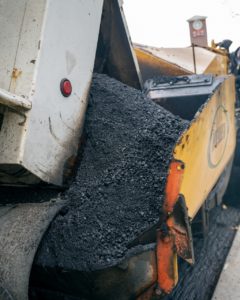
Whether you’re upgrading an older driveway in Park Hill or installing a new one for your home in Green Valley Ranch, knowing what to expect before the crew shows up makes a big difference in how smooth the experience will be.

Here’s what first-timers often don’t see coming, and how to make sure your project runs without a hitch.

Key Takeaways

  • First-time driveway projects in Denver often involve surprises with soil, permits, weather, drainage, and HOA rules.
  • A site visit helps identify key issues like slope, drainage, and material choice before the work even begins.
  • Clear estimates, smart material selection, and realistic timelines prevent delays and unexpected costs during the project.
  • Long-term success depends on early planning for sealing, drainage maintenance, and seasonal care specific to Denver.

Denver’s Soil Conditions Can Affect Your Driveway’s Longevity

Many homeowners are surprised to learn how much Denver’s expansive clay soils impact driveway performance.

In neighborhoods like Stapleton or Sloan’s Lake, where soil movement is more common, failing to account for proper base preparation can lead to premature cracking or shifting.

A qualified contractor will evaluate the subgrade conditions and may recommend additional stabilization measures to ensure your new driveway holds up through freeze-thaw cycles and seasonal ground shifts.

Permitting Isn’t Always Straightforward in Denver

Navigating Denver’s permitting process can be more complex than homeowners expect, especially if the project involves altering access points or replacing a public sidewalk.

In areas like Capitol Hill or Baker—where zoning and historic district rules come into play—you may need approvals from multiple city departments.

An experienced contractor will handle the paperwork and make sure your project meets local codes set by Denver’s Community Planning and Development office, saving you time and potential fines.

Weather Delays Are Common, Even Outside of Winter

Even when snow isn’t in the forecast, Colorado’s unpredictable climate can stall a driveway project. Sudden afternoon thunderstorms or early frost in late fall can disrupt residential paving schedules, particularly in areas near the foothills like Lakewood or Bear Valley.

Homeowners often underestimate how tightly asphalt and concrete pouring are tied to temperature and moisture.

A seasoned contractor will monitor local forecasts and adjust the schedule to protect the quality of the final product.

Drainage Issues Can Sneak Up on You

It’s not uncommon for first-time driveway customers to overlook drainage, especially in hilly areas like Hilltop or near Cherry Creek. Without the right grading, water can pool near the foundation or create runoff that erodes landscaping.

A professional contractor will design the slope and install features like trench drains or swales where necessary to move water away safely. Getting this wrong is more than an inconvenience—it can lead to costly property damage.

HOA Rules May Influence Your Driveway Design

If you live in a neighborhood governed by an HOA—like Lowry or Central Park—you may face specific guidelines about materials, colors, or even driveway width.

First-timers are often caught off guard when their preferred design gets rejected.

A good contractor will ask for your HOA documents upfront and help you develop a plan that meets both aesthetic preferences and community rules, preventing last-minute changes.

How to Get the Smoothest Experience With Your Driveway Contractor

Want your driveway project to go off without a hitch? Here’s how we make sure everything—from material selection to scheduling—runs smoothly for Denver homeowners who are doing this for the first time.

Start With a Site Evaluation and Clear Communication

The first step to a successful project is an in-person consultation.

At ABC Asphalt, Inc., we always start by visiting your property—whether it’s a home in University Hills or a bungalow near Congress Park. We assess slope, soil, drainage, and access points while answering your questions.

Bringing up your goals early ensures we recommend the right material (asphalt vs. concrete) and timeline. Don’t wait until demolition day to voice your concerns—open communication from the start avoids surprises.

Choose Materials That Match Denver’s Climate and Your Lifestyle

Denver’s freeze-thaw cycles are tough on driveways, so the materials you choose matter.

For example, asphalt is more flexible and better suited for areas with shifting soil like Aurora Highlands, while concrete may be preferred for its durability and clean aesthetic in neighborhoods like Cheesman Park.

Your contractor should help you weigh the pros and cons—not just sell you the most expensive option. We consider how you’ll use the space, from snow shoveling ease to vehicle weight.

Get a Clear, Itemized Estimate Upfront

Transparency is key. A detailed estimate breaks down labor, materials, demolition, permits, and any extras like sealcoating or curb cuts. In areas like the Highlands, where access might be tight and impact pricing, it’s especially important to understand what’s included.

Be cautious of vague lump-sum bids.

We walk you through every line so you know exactly where your money is going—and where we’ve built in contingencies for Denver-specific challenges.

Plan Your Schedule Around Realistic Timelines

While we always aim for efficiency, driveway construction in Denver doesn’t happen overnight. Curing times, weather delays, and permit approval can all impact the schedule.

If you’re planning around move-in dates in newer communities like Gateway or trying to wrap up before winter hits, let us know early. Setting expectations and building flexibility into the timeline ensures the final product isn’t rushed and compromised.

Ask About Long-Term Maintenance From the Beginning

Your contractor should give you more than just a finished driveway. They should help you keep it looking and performing great for years. That means discussing sealcoating schedules, drainage upkeep, and how often to expect resurfacing.

For instance, asphalt in South Park Hill may need sealing more often due to sun exposure, while shaded lots in Hampden might deal with more moisture.

Understanding this from day one helps you protect your investment long after asphalt installation.

Ready for a Hassle-Free Driveway Project in Denver?

You shouldn’t have to navigate Denver’s soil challenges, HOA red tape, or unpredictable weather alone. We’ve worked with homeowners across the Denver metro area to deliver driveways that look great, perform well, and meet every requirement—from permits to long-term durability.

Contact us today to schedule your free consultation and get a quote from a local team that knows exactly what your property needs.

Frequently Asked Questions

How long should I wait before driving or parking on a new driveway?

You should wait 48 to 72 hours for asphalt and at least seven days for concrete. We’ll advise based on Denver’s weather and your material type to ensure proper curing and performance.

Can you widen or extend my existing driveway during the replacement process?

Yes, we can widen or redesign your driveway layout. We’ll check Denver zoning rules and HOA guidelines, then handle excavation, grading, and paving based on your specific space and needs.

What kind of maintenance plans do you offer after installation?

We offer ongoing maintenance services like sealcoating, crack repair, and surface cleaning. These are scheduled based on your driveway material and Denver’s climate to extend your surface’s life and appearance.

Do you remove and dispose of my old driveway before installing a new one?

Yes, we include full demolition and disposal in our service. We’ll also regrade and prep the base to meet Denver’s soil conditions before starting any new asphalt or concrete installation.

6 Signs You Need Blacktopping for Your Driveway or Lot

In Denver, where the climate shifts from intense summer sun to heavy snow and freeze-thaw cycles, asphalt takes a real beating. Whether you’re in Hilltop with its stately homes or running a business along Colfax Avenue, your driveway or parking lot isn’t just about curb appeal—it’s about safety, durability, and long-term value.
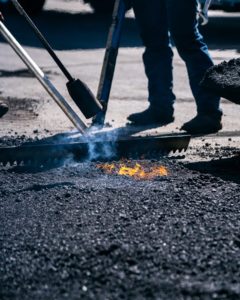
At ABC Asphalt, Inc., we’ve worked with homeowners and businesses across Denver to repair and resurface worn-out asphalt before it leads to costlier damage. If you’re unsure whether it’s time to consider blacktopping, here are six key signs you shouldn’t ignore.

Key Takeaways

  • Cracks, potholes, and water pooling are early signs that your Denver asphalt surface may need blacktopping this season.
  • Faded asphalt, edge damage, and vehicle ruts weaken your pavement and lower both safety and curb appeal.
  • Fall is the right time in Denver to schedule blacktopping before snow and cold weather make damage worse.
  • A local inspection, drainage fixes, and a maintenance plan help protect your driveway or lot for years ahead.

1. Large, Spreading Cracks Across the Surface

In neighborhoods like Washington Park and Capitol Hill, we often see older driveways with wide, spidering cracks that stretch across the surface. These aren’t just cosmetic issues.

Denver’s freeze-thaw cycles—especially during early spring—worsen these cracks by allowing water to seep in, freeze, and expand. Over time, this creates structural damage that only blacktopping can effectively seal and restore.

If you see these long, interconnected cracks, resurfacing is likely the smarter, more affordable option compared to full replacement.

2. Potholes Causing Tire or Suspension Issues

Potholes are a serious problem in areas like Stapleton and Lowry, where residential streets see heavy wear and tear. When your driveway or parking lot develops potholes, it not only risks damage to vehicles but also becomes a liability for injuries.

Denver’s Department of Transportation and Infrastructure often patches public roads, but private properties are your responsibility.

Blacktopping fills and seals potholes while restoring a smooth, even surface that stands up to our local weather and traffic patterns.

3. Pooling Water After Rain or Snowmelt

Flat or uneven asphalt in places like Green Valley Ranch can lead to standing water after a summer storm or spring snowmelt.

Poor drainage allows moisture to penetrate the surface, weakening the base layers of the pavement. In Denver’s high-altitude climate, where snow can quickly melt and refreeze, this leads to rapid deterioration.

Blacktopping not only smooths the surface but can also be graded to improve runoff, keeping your lot or driveway dry and stable.

4. Faded Color and Loss of Surface Texture

Asphalt exposed to Colorado’s high UV index—especially in open areas like Cherry Creek and Montbello—will start to fade from deep black to dull gray.

When this happens, it signals that the protective oils in the asphalt have dried out. That loss of flexibility makes the surface more brittle and prone to cracking.

Blacktopping adds a fresh, new layer that restores both the appearance and durability of your driveway or lot.

5. Crumbling Edges Along Driveway or Lot Perimeter

In neighborhoods like University Hills, where landscaping often borders driveways, we frequently see asphalt breaking apart along the edges. This kind of edge deterioration is often caused by water runoff, shifting soil, or vehicles rolling off the side.

Once the edges start to crumble, the damage can quickly move inward.

Blacktopping reinforces these weak spots and creates a stronger, more compact edge to extend the life of your pavement.

6. Visible Ruts or Indentations from Vehicles

In commercial areas like Five Points or along Broadway, lots and driveways that see frequent use—especially from delivery vans or heavier vehicles—can develop ruts or low spots. These indentations hold water and worsen under pressure, eventually creating uneven surfaces and even tripping hazards.

Blacktopping smooths out these deformations and provides a reinforced layer to better withstand daily use.

What to Do If You Notice These Signs

If you’ve spotted one or more of these issues, don’t wait too long to act. Denver’s climate doesn’t cut asphalt any slack, and early intervention can save you thousands in repair or installation costs.

Here’s what we recommend as your next steps:

Schedule a Professional Inspection for an Accurate Assessment

The first thing we advise Denver homeowners and business owners to do is get a thorough inspection. At ABC Asphalt, Inc., we’ve worked on properties from Park Hill to Bear Valley, and we know how to spot early warning signs others might miss.

An in-person assessment allows us to measure depth, check drainage, and determine whether your surface is a candidate for blacktopping or if deeper repairs are needed.

Compare the Costs of Patching vs. Blacktopping

We often help property owners in Sloan’s Lake and Baker compare patching small areas versus resurfacing the entire lot or driveway.

Patching might seem cheaper upfront, but in many cases, blacktopping is more cost-effective in the long run—especially when wear is widespread. Our team can walk you through both options with transparent pricing and pros and cons for each.

Time Your Blacktopping Before Winter Sets In

The best time to blacktop in Denver is typically late spring through early fall.

Once the ground freezes or snow starts falling in places like Harvey Park, asphalt work becomes more difficult and less effective. If you’ve noticed damage in late summer or early fall, don’t wait until spring. Book your service before the weather turns to avoid further damage.

Address Drainage or Grading Issues Alongside Resurfacing

If you’re in the Highlands or Cheesman Park and dealing with water pooling, this is the time to address it. During our resurfacing process, we can adjust the grading slightly or recommend solutions like French drains to prevent future water damage.

It’s more efficient and cost-effective to fix both issues at once.

Request a Long-Term Maintenance Plan

Once blacktopping is complete, we offer maintenance plans across Denver to help you get the most out of your investment.

Whether you’re managing a multi-unit property in City Park or maintaining your family driveway in Westwood, we can schedule regular inspections, crack sealing, and sealcoating to keep everything in great shape for years.

Get a Smooth, Durable Surface Before Denver Weather Makes It Worse

Asphalt doesn’t last forever—especially not in Denver’s unpredictable weather. From UV damage to freeze-thaw cycles, your driveway or lot faces challenges year-round.

If you’ve seen cracks, potholes, or fading, don’t put it off until next year.

Our crews specialize in blacktopping solutions tailored for Denver’s climate and terrain. We’ve helped homeowners from Lakewood to Aurora and businesses across the Denver Metro area restore their driveways and parking lots quickly and affordably.

Call us today to schedule a blacktop assessment and get expert recommendations on the best next steps. Let’s restore your asphalt before small issues become expensive problems.

Frequently Asked Questions

How long does blacktopping usually last in Denver’s climate?

A professionally applied blacktop surface in Denver generally lasts 10 to 15 years with proper maintenance like sealcoating, drainage care, and occasional crack repair to handle seasonal weather extremes.

Can blacktop be installed over an old concrete driveway?

Yes, we can install blacktop over concrete if the slab is stable and not shifting. Our team inspects and preps the surface to ensure proper bonding and long-term durability.

How soon can I drive or park on the new blacktop?

Most Denver driveways or lots are ready for light vehicle traffic within 24 to 48 hours after blacktopping. Our crew will confirm the ideal wait time based on current weather conditions.

Will blacktopping increase my home’s resale or rental appeal?

Yes, a clean, freshly blacktopped surface boosts first impressions, signals regular upkeep, and can increase property value in Denver’s competitive housing and rental markets.

How to Prepare Your Property for Asphalt Installation Day

Getting ready for an asphalt installation in Denver takes more than just picking a date. Whether you own a home in Park Hill or run a business along South Broadway, the success of your new asphalt surface starts with how well your property is prepped ahead of time. The Mile High City’s unpredictable weather, high elevation, and clay-heavy soil all play a role in how asphalt performs over time, so taking the right steps before installation day can make a big difference.
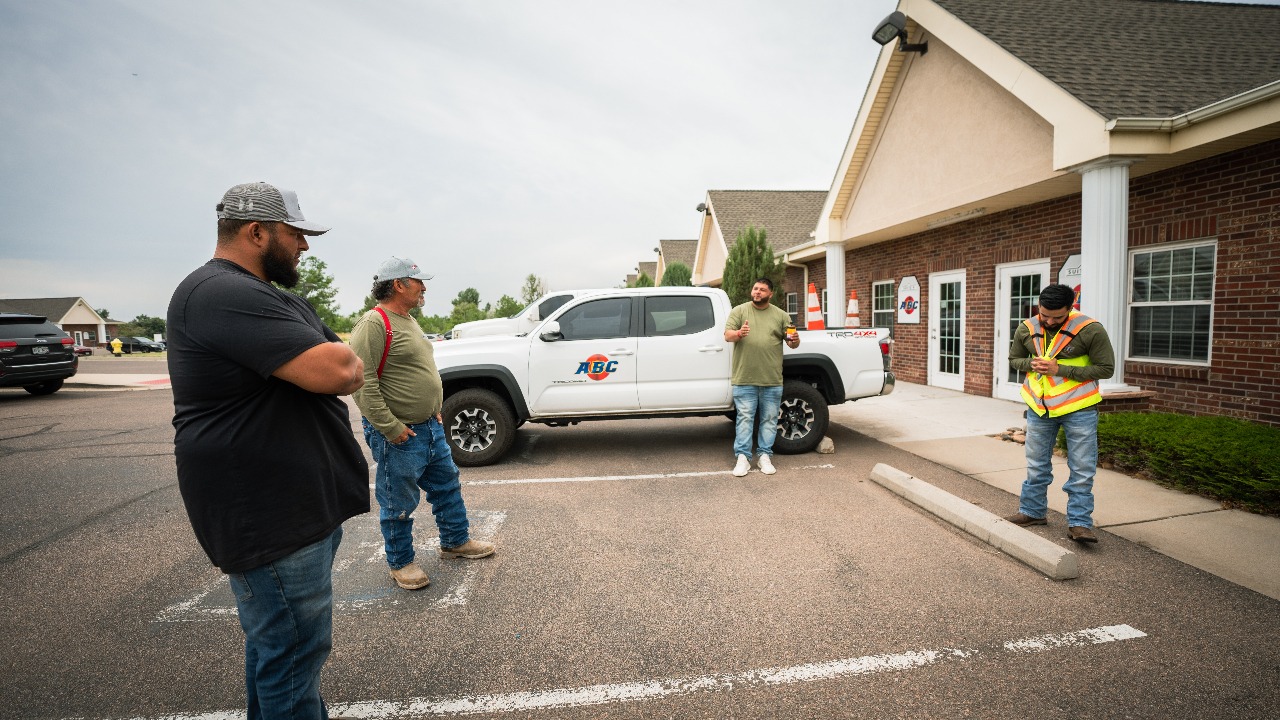
At ABC Asphalt, Inc., we’ve worked on everything from residential driveways in Washington Park to commercial lots in RiNo, and we know the little things that help a job go smoothly—both for you and for our crew.

Here’s what you need to do to get your property ready for asphalt installation day.

Key Takeaways

  • Successful asphalt installation in Denver starts with knowing how local weather, soil, and tight neighborhoods affect preparation.
  • A fully cleared work area with parking planned ahead helps crews work efficiently without unnecessary delays or problems.
  • Good preparation includes telling neighbors, turning off sprinklers, securing pets, and protecting property from dust and heavy vibrations.
  • A trusted local contractor like ABC Asphalt, Inc. brings experience to ensure installation day runs smoothly from start to finish.

Clear the Work Area of Vehicles, Furniture, and Debris

One of the most important things you can do ahead of installation day is to fully clear the space where the asphalt will be laid. That means moving cars, trailers, lawn furniture, garbage bins, and anything else that might be in the way.

In neighborhoods like Sloan’s Lake or Capitol Hill, where parking is tight, it’s smart to reserve street parking early or notify neighbors so you’re not scrambling the morning of.

Even small obstructions can delay the project or affect the final result.

Notify Your Neighbors and Arrange for Limited Access

If you live in a close-knit area like Congress Park or own a business off Colfax Avenue, it’s a good idea to give your neighbors or nearby businesses a heads-up. Asphalt installation equipment can be noisy and disruptive, and access to shared driveways or alleys may be temporarily restricted.

If you’re working on a commercial property, consider scheduling the job during off-peak hours and posting signage to reroute customer traffic. Communication goes a long way in keeping everyone happy and reducing stress on installation day.

Prepare for Dust and Vibrations During the Process

Denver’s dry climate—especially in late summer and early fall—means asphalt work can kick up a lot of dust, particularly in areas with bare soil or gravel shoulders like those in Green Valley Ranch. It’s a smart move to close windows, cover outdoor equipment, and even let tenants or employees know to expect some vibration from the heavy rollers.

While our team at ABC Asphalt, Inc. takes steps to minimize mess, preparing ahead helps protect your property and keeps surprises to a minimum.

Ensure Irrigation Systems and Sprinkler Heads Are Shut Off

In neighborhoods like Hilltop or Lowry, where lawn care systems are common, make sure your irrigation timers are turned off at least 24 hours before installation. Any water seepage can soften the subgrade, leading to compaction issues or even future surface failure.

Double-check that sprinkler heads near the installation area are either marked or removed to prevent accidental damage from our equipment.

Secure Pets and Inform Family or Staff

If you’ve got pets that roam the yard in areas like Montclair or Hampden, make sure they’re secured well before the crew arrives. The movement of large trucks and compactors can spook animals, and we want to ensure their safety.

For commercial clients, it’s just as important to inform employees or delivery drivers of the project timeline so they know when access will be limited and what alternate arrangements are available.

Provide a Clear Path for Equipment Access

Our trucks and paving equipment are big, and maneuvering them in tight areas—especially older parts of Denver like Baker or Five Points—requires careful planning. Make sure gates are unlocked and fences are opened if needed.

If your property backs up to an alley, confirm it’s free of blockages like trash bins or overhanging tree limbs. This helps us start on time and avoid damaging surrounding landscaping or structures.

Check Local Utility Markings and Permits if Applicable

In some parts of Denver, particularly areas undergoing redevelopment like Sun Valley or along Federal Boulevard, it’s not uncommon to run into unmarked utility lines.

If we haven’t already coordinated with Colorado 811, it’s helpful for you to ensure that utility lines have been located and marked prior to installation.

For larger commercial projects, make sure any city-required permits are in place so we don’t run into inspection delays or unexpected compliance issues.

Get Your Asphalt Project Started Right

A smooth, long-lasting asphalt surface starts before the first truck shows up.

At ABC Asphalt, Inc., we bring decades of local experience to every asphalt paving job. We understand Denver’s unique mix of urban density, climate extremes, and older infrastructure, and we guide you through each step so your installation day runs like clockwork.

Ready to get started?

Contact us today to schedule your asphalt installation or request a free site assessment.

Frequently Asked Questions

How long should I wait before driving on new asphalt?

Most residential driveways in Denver should cure for 48 hours before vehicle use, while high-traffic commercial areas may require up to 72 hours for proper durability and performance.

Can asphalt be installed during Denver’s winter months?

Asphalt installation in temperatures below 50°F risks poor compaction, so we recommend scheduling projects between late spring and early fall for the best long-term surface strength and stability.

How often should I sealcoat my asphalt surface?

In Denver’s high-altitude climate, sealcoating every two to three years protects against UV damage, snowmelt, and freeze-thaw cycles, keeping the surface strong and extending its overall lifespan significantly.

What maintenance should I do after installation?

Ongoing maintenance like sweeping, annual inspections, and timely crack repairs by a professional asphalt contractor helps maintain appearance, prevent costly damage, and extend service life despite Denver’s harsh seasonal changes.

What Are the 5 Long-Term Costs of Skipping Driveway Paving in Denver?

If you’ve been putting off paving your driveway in Denver, you’re not alone. It’s easy to focus on more immediate home upgrades, especially when an unpaved or heavily worn driveway still “works.”

But here’s the reality: skipping driveway paving comes with real, long-term costs that add up fast, especially here in the Mile High City. Whether you live in Hilltop, Harvey Park, or near Washington Park, the unique mix of elevation, weather, and local property expectations in Denver makes maintaining a solid driveway more than just a cosmetic choice.

Let’s break down the five long-term costs of skipping driveway paving—and what you can do to avoid them before they become expensive problems.

Key Takeaways

  • Denver’s weather and elevation make unpaved driveways a serious risk for erosion, flooding, and property damage.
  • A worn or unfinished driveway can hurt curb appeal and lower home value in many Denver neighborhoods.
  • Driving on gravel or cracked pavement causes car damage and adds cleaning and snow removal hassles every season.
  • Local codes and HOA rules in Denver often require paved driveways to avoid fines and legal trouble.

1. Worsening Erosion and Drainage Problems

An unpaved or deteriorating driveway in Denver quickly becomes a channel for water runoff, especially during spring snowmelt and late-summer monsoon storms. In areas like Capitol Hill or Green Valley Ranch, where homes are built on slopes or near aging stormwater systems, this runoff can lead to soil erosion, pooling near your foundation, and even structural damage.

The best way to avoid these issues is by installing a professionally graded and paved driveway with proper drainage solutions built in—like swales, French drains, or permeable edges.

At ABC Asphalt, Inc., we design asphalt paving solutions that work with Denver’s topography and climate—not against them—keeping your property protected during the heaviest downpours.

2. Lower Curb Appeal and Property Value

In competitive neighborhoods like Cherry Creek and Stapleton, curb appeal is everything.

An unpaved or cracked driveway signals poor maintenance, which can turn off buyers and lower appraisal values. According to Zillow and local Denver real estate agents, first impressions significantly impact how your home is perceived—and priced.

Residential paving from the professionals adds a clean, polished look to your home and signals that the property has been well cared for.

For homeowners thinking long-term, investing in asphalt or concrete paving can increase your home’s resale value and help you stand out in a hot market.

3. Increased Vehicle Wear and Tear

If you’re regularly parking on gravel, dirt, or broken concrete, you’re exposing your vehicle to extra wear—especially in neighborhoods like Montbello or Barnum, where road dust and uneven terrain are more common. Over time, potholes and loose rocks can damage your suspension, alignment, tires, and undercarriage.

Paving your driveway with high-quality asphalt or concrete not only creates a smoother ride but also reduces the dust and grit that gets tracked into your garage.

A properly paved surface is easier on your car and easier to keep clean, especially important during Denver’s dusty summers and slushy winters.

4. Higher Maintenance and Cleaning Costs Over Time

Dirt and gravel driveways may seem low-maintenance at first, but over the years, the upkeep adds up. After every snowstorm or heavy rain, you’ll likely need to regrade, refill washed-out areas, and deal with mud or ruts—especially in areas like Lakewood or Aurora where snowplows often leave behind messy shoulders.

A professionally paved driveway, on the other hand, makes snow removal, sweeping, and cleaning dramatically easier. It saves you money on maintenance materials, labor, and time—while also improving safety for your family and guests year-round.

Investing in paving now can significantly reduce your long-term home maintenance budget.

5. Violation of Local HOA or City Requirements

Many neighborhoods across Denver, particularly in areas like Lowry and Highlands Ranch, have strict HOA rules regarding property aesthetics and safety.

In some cases, leaving a driveway unpaved or allowing it to fall into disrepair can lead to citations or fines. Denver city code also requires certain standards for driveway access, particularly if you’re altering your curb cut or replacing an approach.

Avoiding these penalties means staying ahead of compliance issues by working with a licensed paving contractor who understands local regulations and building codes.

At ABC Asphalt, Inc., we handle permitting, inspections, and code compliance from start to finish—so your driveway isn’t just attractive, but fully legal and built to last.

Don’t Let Your Driveway Cost You More Later

Ignoring your driveway now can cost you more in erosion, repairs, home value, and even city fines. Why wait until it becomes a problem?

At ABC Asphalt, Inc., we help homeowners across Denver—from Baker to Berkeley—protect their properties with professional, long-lasting paving solutions. Whether you’re dealing with slope drainage near Sloan’s Lake or tight HOA guidelines in Central Park, we design driveways that hold up to Denver’s unpredictable weather and strict local codes.

Ready to protect your investment?

Call us today to schedule a site visit or request a free quote. Let us take the hassle off your plate and deliver a driveway that looks great, functions better, and lasts longer.

Frequently Asked Questions

How long does a paved asphalt driveway last in Denver’s climate?

Most asphalt driveways in Denver last 20 to 25 years when properly installed and sealed. The dry air, freeze-thaw cycles, and strong UV exposure make regular maintenance especially important to keep it in good condition.

Can I pave over my existing gravel driveway without removing it?

Paving over gravel is sometimes possible, but only if the base is thick, stable, and well-compacted. We always inspect the site first to make sure the foundation can support a durable asphalt surface.

What’s the best time of year to pave a driveway in Denver?

Late spring through early fall is ideal for paving in Denver. Temperatures need to stay warm and dry for proper curing, which helps your asphalt driveway last longer and avoid early cracking or crumbling.

Do I need a permit to pave or replace my driveway in Denver?

Yes, most driveway paving projects in Denver require permits, especially if you’re modifying the curb or approach. We handle the entire permitting process to keep your project on track and code-compliant from start to finish.

How Do You Know a Driveway Company Is Reputable in Denver? (7 Red Flags to Avoid)

Hiring a driveway contractor in Denver isn’t just about getting a smooth surface. It’s about protecting your property value, your safety, and your wallet. From the freeze-thaw cycles in Washington Park to the sunbaked concrete in Green Valley Ranch, your driveway takes a beating in this climate.

That’s why choosing a reputable local company is crucial.

But how can you tell if they know their stuff or are just laying down a quick buck’s worth of asphalt?

Here are seven red flags to help you steer clear of unreliable driveway companies in Denver—and what to look for instead.

Key Takeaways

  • A good driveway company in Denver should understand local weather and use materials that last through every season.
  • A bad contractor often offers cheap deals, vague promises, no permits, and refuses to show recent local work.
  • Real pros follow Denver codes, discuss drainage and slope, and never demand full cash payment before starting jobs.
  • ABC Asphalt, Inc. proudly serves Denver neighborhoods with reliable, code-compliant driveways built to handle snow, heat, and time.

1. They Offer a Price That’s Too Good—Especially If They “Have Extra Material from Another Job”

It’s common for disreputable contractors in Denver to knock on doors in neighborhoods like Hilltop or Stapleton, claiming they can pave your driveway on the cheap using leftover materials from another project.

This pitch might sound convenient, but it’s a classic scam.

These companies often use inferior asphalt blends or apply them at substandard thickness, resulting in cracking or drainage issues by the time the first snow hits. In Denver’s variable climate, proper materials and installation methods aren’t optional. They’re essential.

2. They Can’t Provide Recent Local References or Jobs You Can Drive By

A reputable Denver company should be able to point you to completed jobs in nearby neighborhoods like Berkeley or Cherry Creek from just the past few months.

If they only mention vague, out-of-state work or can’t name a single street where they’ve worked, that’s a huge red flag.

In a tight-knit community like Denver’s, trustworthy contractors build their reputation through word-of-mouth and visible, quality results—driveways you can actually go see.

3. They Avoid Pulling Permits or Mentioning Local Codes

Driveway work in Denver often requires permits, especially if it impacts sidewalks or curbs—something you’ll find out fast if you’re in a historic district like Capitol Hill or near civic areas like City Park.

A company that brushes off the need for permits or claims they “don’t usually bother with that stuff” is putting you at risk for fines, rework, or future legal issues.

A pro knows the ins and outs of Denver Public Works and local code enforcement—and they won’t cut corners.

4. They Don’t Address Drainage or Sloping

A legit Denver driveway contractor will always talk to you about slope, grading, and water runoff. If they don’t bring it up—or act like it’s not a concern—you’re looking at future water pooling, foundation damage, or icy slip hazards during winter months.

In areas like Sloan’s Lake or Park Hill, where older homes often sit below street level, proper drainage design is a must.

If they can’t explain how they’ll handle runoff, it’s time to move on.

5. Their Equipment Looks Beat-Up or They Use Out-of-State License Plates

While it’s not unusual for small businesses to run lean, beware of contractors who show up with rusty, unmarked trucks or out-of-state plates, especially from “storm-chasing” states. Many fly-by-night crews roll through Denver in warmer months, particularly after hailstorms or during asphalt repair seasons, hoping to cash in on fast jobs.

A reputable Denver-based company will have well-maintained, locally registered equipment and branding that matches their name and website.

6. They Ask for Full Payment Upfront or Only Take Cash

No trustworthy contractor in Denver will ask you to pay 100% upfront—especially not in cash. While partial deposits are normal (usually around 30–50%), full prepayment with no written contract leaves you wide open to being ghosted.

In neighborhoods like Montbello or Highlands, homeowners have reported contractors disappearing with cash before a single square foot was paved.

Always insist on clear payment terms in writing and a formal invoice.

7. Their Contract Is Vague or Missing Key Details

Any reliable company should offer a clear, written contract that outlines the scope of work, asphalt patching materials (like hot mix vs. cold patch), estimated start and completion dates, warranty details, and total cost.

If the paperwork feels rushed, handwritten, or lacks specifics about what they’re doing—such as sealing, grading, or compaction—you’re likely dealing with someone who won’t stand behind their work.

Especially in regulated neighborhoods like Bonnie Brae or Baker, a vague contract is a lawsuit waiting to happen.

Don’t Gamble on Your Driveway—Work with a Team You Can Trust

Choosing the right driveway contractor in Denver isn’t just about price. It’s about peace of mind. If any of those red flags gave you pause, you’re not alone.

At ABC Asphalt, Inc., we know how unpredictable Denver weather can be, and we’re proud to offer driveway installations and repairs that stand up to snowmelt, sun, and everything in between. We’ve served homeowners from Five Points to University Hills with top-quality work that’s fully permitted, properly sloped, and backed by a real warranty.

Call us today to schedule a free estimate or learn more about our asphalt and concrete services.

How Often Should Asphalt Maintenance Be Done in Denver’s Climate?

If you’ve lived in Denver for long, you know the climate can be brutal on asphalt.

From the freeze-thaw cycles in winter to the blazing UV exposure in summer, our roads and driveways take a beating year-round.

That’s why routine asphalt maintenance isn’t just a good idea—it’s a necessity if you want your pavement to last.

Whether you own a home in Wash Park, manage a commercial lot near Cherry Creek, or maintain roads in Montbello, understanding when—and how often—to schedule asphalt maintenance can save you thousands in repairs down the line.

Key Takeaways

  • Denver’s intense sun and freeze-thaw swings beat up asphalt fast, causing cracks, fading, and potholes year-round.
  • Sealcoating every 1–2 years protects against UV damage and keeps pavement looking sharp in neighborhoods like Sloan’s Lake.
  • Crack sealing every 3–5 years blocks water from widening damage, especially before winter sets in across the city.
  • Resurfacing should happen every 8–10 years in high-traffic areas like RiNo to keep pavement smooth and structurally sound.
  • Full replacement may be needed after 15–25 years, especially in older zones like Five Points with weaker road foundations.

Recommended Asphalt Maintenance Schedule for Denver Properties

Here’s a quick breakdown of how often different types of asphalt maintenance should be done to keep Denver pavement in top shape.

Every 1–2 Years: Sealcoating

Sealcoating protects the surface from UV damage, moisture, and chemicals. In Denver, we recommend sealcoating every 1–2 years, depending on traffic volume and exposure.

For example:

  • Residential driveways in Park Hill or Sloan’s Lake can often go two years between coats.
  • Commercial lots near Downtown or along Colorado Boulevard should be done annually to handle heavy vehicle loads and exposure.

Sealcoating not only improves longevity but also restores that sleek, jet-black appearance.

Every 3–5 Years: Crack Sealing

Small cracks are normal, especially in areas like Highlands or Stapleton, where soil shifting can contribute to surface movement. But if left untreated, they’ll expand and lead to structural issues.

Crack filling and sealing can fill those gaps before water can get in, freeze, and widen them. Doing this every few years, especially before winter hits, is one of the smartest preventative steps you can take.

Every 8–10 Years: Resurfacing or Overlay

Even with regular upkeep, your asphalt will eventually wear down.

In Denver, asphalt overlay or resurfacing is typically needed every 8–10 years. This involves applying a new asphalt layer over the existing base—ideal for lots in high-use areas like RiNo or around Mile High Stadium, where vehicle traffic is nonstop.

Every 15–25 Years: Full Replacement

If your pavement has widespread cracking, alligatoring, or foundation issues, a full replacement may be required.

Denver’s older neighborhoods—like Five Points or Baker—often see this timeline due to older, less stable subgrades.

Why Denver’s Climate Demands Frequent Asphalt Maintenance

With Denver’s wide temperature swings and frequent freeze-thaw cycles, it’s easy to see why untreated asphalt doesn’t last long here. We get over 300 days of sunshine a year, but that sun is intense thanks to our high elevation. UV rays can dry out and oxidize asphalt quickly, leading to cracks and brittleness.

In the winter, moisture seeps into cracks and expands when it freezes. By spring, you’re left with potholes, crumbling edges, and serious safety hazards, particularly in high-traffic areas like Colfax Avenue or Federal Boulevard.

Signs Your Asphalt Needs Attention Now

Keep an eye out for these red flags:

  • Cracks wider than ¼ inch
  • Faded color and surface dullness
  • Dangerous potholes or low spots holding water
  • Loose gravel or broken edges
  • Vegetation growing through cracks

If you see any of these issues on your property—whether it’s a driveway in Hilltop or a parking lot near Union Station—it’s time to call in the pros.

Get Long-Lasting Protection for Your Asphalt

Undeniably, Denver’s climate is rough on asphalt. The freeze-thaw cycles, intense sun, and occasional hailstorms don’t give your pavement much of a break. If you’re tired of constant patch jobs or worrying about safety issues, it’s time to take a more proactive approach.

At ABC Asphalt, Inc., we help homeowners and business owners across Denver stay ahead of costly repairs with professional asphalt maintenance services. From sealcoating driveways in Lowry to resurfacing commercial lots off I-25, we know what it takes to protect your investment long-term.

Give us a call today to schedule your inspection or request a quote. We’ll help you build a maintenance plan that fits your property and your budget—so you can stop stressing about cracks and start enjoying smooth, long-lasting pavement.

What Prep Work Should You Never Skip Before Parking Lot Paving in Brighton?

When it comes to parking lot paving in Brighton, CO, skipping the prep work is one of the fastest ways to waste time and money. Whether you’re a property manager off Bridge Street or a business owner near Prairie Center, your asphalt surface will only be as strong as the groundwork beneath it. In a place like Brighton—where we deal with shifting clay soils, freeze-thaw cycles, and intense sun—cutting corners on prep is just asking for trouble.

Here’s the prep work you should never skip if you want your asphalt paving to last through Brighton’s seasons and stand up to traffic wear.

Key Takeaways

  • Brighton’s expansive clay soil needs stabilization before paving or it can crack with moisture shifts and dry spells.
  • Poor drainage near spots like Barr Lake State Park leads to water damage unless the lot is graded and drained right.
  • Old pavement must be fully removed in Brighton or reflective cracks and instability will show up fast.
  • Strong base compaction is key in windy, freeze-prone areas like the Brighton bluffs for long-lasting asphalt.
  • Brighton requires permits and ADA compliance, especially near schools and public areas like downtown or Eagle Ridge Academy.

Key Prep Steps You Should Never Skip Before Paving a Parking Lot in Brighton

Before a single layer of asphalt goes down, the prep work sets the tone for how long your lot will last. In Brighton—where soil shifts and wild weather are the norm—skipping key steps can mean cracks, drainage issues, or full repaving way too soon.

Here are the six most important things to get right from the start.

1. Soil and Subgrade Evaluation

Before the parking lot paving starts, the ground underneath needs a thorough check. Brighton’s soil composition is mostly expansive clay, which swells with moisture and shrinks during dry spells. This movement can crack or warp pavement if the subgrade isn’t properly stabilized.

What to do:

  • Test soil compaction and moisture content.
  • Remove any soft or organic material (especially near the South Platte River basin where the water table can be higher).
  • Stabilize with road base or lime treatment if needed—especially common in developments around Bromley Lane and North 42nd Ave.

2. Proper Grading and Drainage Planning

If water sits on your asphalt, it’s game over. In Brighton, heavy summer storms and spring snowmelt can flood low-lying lots—particularly near the Barr Lake State Park area or off Weld County roads. Standing water seeps into cracks, freezes, and accelerates damage.

What to do:

  • Ensure the subgrade is sloped properly—typically 2%—to direct water away from the paved surface.
  • Install French drains or catch basins if your lot is flat, like many found near the Prairie Center Shopping District.
  • Plan drainage before paving to avoid costly rework later.

3. Removing Old Asphalt or Concrete

Brighton isn’t exactly brand new—many commercial lots still have remnants of old concrete pads or multiple asphalt layers hidden beneath the surface. In many cases, crack filling and sealcoating are smart, cost-effective ways to extend your pavement’s life and improve appearance.

But when you’re aiming for long-term stability—especially in high-traffic areas or lots with a rough history—full removal and proper resurfacing may be the better investment.

Why?

Because paving over unstable or deteriorated layers without addressing the base can lead to reflective cracking and structural issues down the road.

This is especially true along the Front Range, where temperature swings, freeze-thaw cycles, and shifting soils put added pressure on pavement.

What to do:

  • Saw-cut and remove old pavement completely.
  • Haul away debris and inspect the subgrade for damage or moisture.
  • Backfill and compact with quality road base—common practice in industrial zones near Brighton Blvd.

4. Base Layer Compaction

This step can’t be rushed. The base layer is what your asphalt depends on for strength and longevity. In areas like Brighton where freeze-thaw cycles are rough—especially near the bluffs and open fields where winds whip through—the base must be solid.

What to do:

  • Use 3–6 inches of Class 6 road base or equivalent.
  • Compact in multiple lifts using a vibratory roller.
  • Test for density—95% compaction is the standard.

5. Permits and Local Code Compliance

Every city has its own paving regulations, and Brighton is no exception. From driveway widths to ADA compliance, skipping the permit process can delay your project or force costly changes later—particularly near schools like Eagle Ridge Academy or public buildings downtown.

What to do:

  • Check with the City of Brighton Building & Permitting Department.
  • Ensure ADA ramps, markings, and signage meet current standards.
  • Coordinate with utility companies if your lot has manholes, sewer covers, or electrical access points.

6. Planning for Temperature and Weather Windows

Colorado weather doesn’t wait for anyone. Asphalt paving in Brighton should be timed to avoid extreme heat or unexpected cold snaps. The window from late April through early October is ideal, but even then, early morning paving helps avoid material cooling too quickly.

What to do:

  • Monitor forecasts—wind off the Front Range can cool asphalt fast.
  • Avoid paving if temps dip below 50°F at night.
  • Schedule around local events like the Brighton Summerfest to minimize traffic and parking disruptions.

Get a Lot That Lasts—Not One That Cracks Next Season

Skipping prep steps might save a few bucks upfront, but it can cost thousands in repairs or full repaving within just a few seasons. Especially here in Brighton, where the soil and weather aren’t forgiving, proper prep is everything.

Let’s Build It Right the First Time

Your parking lot is one of the first things customers see—don’t let it crack under pressure.

At ABC Asphalt, Inc., we take the time to do things right, from soil testing to final striping. Whether you’re managing a strip mall off 120th Ave or improving your church lot near Brighton Oasis Family Aquatic Park, we’ve got the experience to pave with confidence.

We handle:

  • Full parking lot prep and paving
  • Soil and base stabilization
  • Drainage planning and grading
  • ADA-compliant layout and striping

Need a quote or a second opinion?

Give us a call today and let’s talk about your project—we’ll help you get a durable, smooth lot that holds up to Brighton’s toughest conditions.

FREE Estimate