
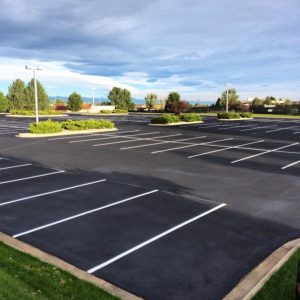
Parking lots around Denver take a beating from freeze-thaw cycles, heavy UV, and the steady stream of traffic near spots like Civic Center Park and Cherry Creek. Many property owners try to get patching done fast, then run into delays that cost time and money.
The good news is that most of the problems we see at ABC Asphalt, Inc. come down to predictable planning mistakes. If you know what to avoid, you can keep your lot safe, clean, and ready for customers.
In the sections below, we walk through the seven mistakes we see most often and then share the steps to building a smooth schedule in Denver.
Key Takeaways
- Denver’s climate makes quick action on pavement issues essential.
- Local traffic patterns shape the best time to schedule patching.
- Permit checks and communication prevent delays and extra costs.
- A structured plan keeps patching smooth and efficient.
Mistake 1: Waiting Until Potholes Spread
Delayed asphalt patching lets moisture sink deeper into the base.
In Denver’s winter freeze patterns around Highland and Montbello, this leads to rapid expansion that pushes weak spots wider. We often see small surface cracks turn into four-foot potholes by late February after a few sudden freeze nights.
Once the sub-base softens, asphalt repairs take longer and cost more.
The simplest fix is calling for patching as soon as the first cracks show, so the work stays quick and inexpensive.
Mistake 2: Ignoring Weather Windows
Our patch crews plan everything around temperature and ground moisture because asphalt will not bond well when the surface is too cold or wet.
In Denver, this becomes a challenge when storms drop in fast over areas like Park Hill or Lakewood. We often see sites scheduled the same week a snowstorm hits, then the project needs rescheduling, and the lot stays rough longer.
Planning two-week weather buffers helps keep parking lot patching on track and reduces the chance of back-to-back delays.
Mistake 3: Not Accounting For Traffic Patterns
Retail centers near RiNo and large office complexes near the Denver Tech Center have traffic waves that change by the hour. We often meet property managers who choose patch hours that overlap with peak customer or employee movement, which makes the site harder for crews to access.
When we cannot control the traffic flow, we must break the job into shorter chunks and return multiple days. Mapping slow periods in advance lets us schedule patching with fewer interruptions and shorter closures.
Mistake 4: Skipping Permit Checks
Some Denver lots need temporary right-of-way permits when patching touches entrances or sidewalks, and many HOAs around Stapleton follow their own rules about working hours. When permits are missing, crews must halt work until the city or HOA clears the site. This pushes a simple fix into the next available opening in our schedule.
A quick check with Denver Public Works before the work date keeps jobs moving without avoidable stops.
Mistake 5: Hiring Crews Without Local Experience
Crews unfamiliar with Denver’s elevation and climate tend to underestimate curing times and material needs. We see this often on commercial pads near Union Station, where shade and cold airflow slow asphalt cooling.
When material sets too fast or too slow, the patched area may not hold up through winter. Teams that work daily in Denver adjust material temperatures and timing so each patch bonds cleanly and supports traffic within the expected window.
Mistake 6: Overlooking Drainage Issues
Lots near Sloan’s Lake and low-lying industrial areas often deal with pooling during fall storms.
When drainage problems go unchecked, new patches can crack early as water collects and saturates the edges. We sometimes repair the same spot twice because the underlying drainage was never corrected.
Checking slopes and inlets before scheduling parking lot patching helps us install patches that last well through snowmelt.
Mistake 7: Scheduling Without a Clear Work Zone Plan
Many managers call us without confirming where tenant vehicles, customer parking, or service trucks will be routed during repairs. In dense areas near Capitol Hill and the Golden Triangle, even a few misplaced vehicles can block equipment access and slow the crew.
When this happens, the schedule stretches, and we may need to reorganize or return later. Clear cones, signs, and temporary access plans keep the site open for our team and shorten the patching window.
How to Plan a Smooth, Efficient Patching Schedule
Step 1: Inspect And Prioritize Your Lot
We encourage property managers to review recent maintenance notes or have on-site staff identify areas that see heavy traffic, standing water, or recurring wear.
In commercial corridors like LoDo and the Santa Fe Arts District, lots often show different stress points from delivery traffic, service vehicles, and shaded sections near taller buildings. These patterns help us confirm which areas may need deeper base repair.
A quick pre-check prevents surprises after crews begin cutting the asphalt. This step keeps the scope clear and helps us build a predictable timeline for your property.
Step 2: Choose The Right Time Of Day And Week
Every commercial lot has a rhythm shaped by employees, customers, and delivery traffic.
Around downtown Denver, we usually schedule early morning work to avoid commuter surges and keep access clear for office buildings. For multi-unit and mixed-use properties along Colorado Boulevard, midday often works best so tenant traffic stays predictable and safe.
Matching patching to your slowest window shortens closures, reduces the need for traffic control, and helps us finish sections in fewer visits, which keeps costs down.
Step 3: Align With Weather And Temperature Patterns
Denver’s spring and early fall give us the most stable temperatures for clean patch bonding.
During winter, temperatures swing widely near the foothills and can delay curing.
We track overnight lows and daytime highs for areas like Green Valley Ranch to choose days with steady warmth. This keeps patches from cooling too fast or holding moisture. Planning patching in those stable windows keeps repairs lasting longer.
Step 4: Coordinate Permits And Communication
A quick email to tenants or staff and a permit check with the city keep your schedule on track. In busy districts like Cherry Creek North, delivery routes and pedestrian access need notice at least a day ahead.
When everyone knows the plan, we can move equipment in without rerouting traffic. This keeps our crew efficient and finishes your lot on the expected day. Clear communication is one of the fastest ways to speed up a repair.
Plan Your Patching The Easy Way
Denver owners feel the stress of rough pavement every time vehicles bounce through a worn lot. That frustration grows when schedules drag and crews cannot finish on time.
At ABC Asphalt, Inc., we keep patching simple with clear planning, steady communication, and timing built around your property’s needs. We use local experience to work within Denver’s weather, elevation, and traffic patterns so patches last and closures stay short.
Contact us today to schedule service or request a detailed quote.
Frequently Asked Questions
How do I know if my lot in Denver needs patching or a deeper repair?
We check the depth of each damaged spot and look for base movement, which is common in areas like Park Hill after freeze cycles, then recommend patching or base rebuilding based on the stability we find.
Can patching be done in winter in Denver?
We can patch in winter when temperatures in places like downtown Denver stay warm enough for the mix to bond, and we adjust materials to match the day’s conditions to keep the repair solid.
How long should I keep cars off a fresh patch?
Most Denver lots can reopen within a few hours, though shaded areas such as those near taller buildings on Capitol Hill may need a little longer for full cooling.
Do I need a permit for patching near a public sidewalk?
When work touches a public entrance or walkway, we often coordinate with Denver Public Works for a right-of-way permit so the crew can work without interruption.