
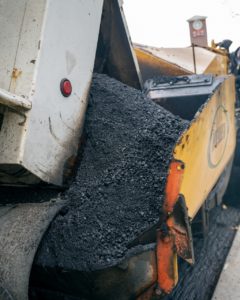
 In Denver, where the climate shifts from intense summer sun to heavy snow and freeze-thaw cycles, asphalt takes a real beating. Whether you’re in Hilltop with its stately homes or running a business along Colfax Avenue, your driveway or parking lot isn’t just about curb appeal—it’s about safety, durability, and long-term value.
At ABC Asphalt, Inc., we’ve worked with homeowners and businesses across Denver to repair and resurface worn-out asphalt before it leads to costlier damage. If you’re unsure whether it’s time to consider blacktopping, here are six key signs you shouldn’t ignore.
Key Takeaways
- Cracks, potholes, and water pooling are early signs that your Denver asphalt surface may need blacktopping this season.
- Faded asphalt, edge damage, and vehicle ruts weaken your pavement and lower both safety and curb appeal.
- Fall is the right time in Denver to schedule blacktopping before snow and cold weather make damage worse.
- A local inspection, drainage fixes, and a maintenance plan help protect your driveway or lot for years ahead.
1. Large, Spreading Cracks Across the Surface
In neighborhoods like Washington Park and Capitol Hill, we often see older driveways with wide, spidering cracks that stretch across the surface. These aren’t just cosmetic issues.
Denver’s freeze-thaw cycles—especially during early spring—worsen these cracks by allowing water to seep in, freeze, and expand. Over time, this creates structural damage that only blacktopping can effectively seal and restore.
If you see these long, interconnected cracks, resurfacing is likely the smarter, more affordable option compared to full replacement.
2. Potholes Causing Tire or Suspension Issues
Potholes are a serious problem in areas like Stapleton and Lowry, where residential streets see heavy wear and tear. When your driveway or parking lot develops potholes, it not only risks damage to vehicles but also becomes a liability for injuries.
Denver’s Department of Transportation and Infrastructure often patches public roads, but private properties are your responsibility.
Blacktopping fills and seals potholes while restoring a smooth, even surface that stands up to our local weather and traffic patterns.
3. Pooling Water After Rain or Snowmelt
Flat or uneven asphalt in places like Green Valley Ranch can lead to standing water after a summer storm or spring snowmelt.
Poor drainage allows moisture to penetrate the surface, weakening the base layers of the pavement. In Denver’s high-altitude climate, where snow can quickly melt and refreeze, this leads to rapid deterioration.
Blacktopping not only smooths the surface but can also be graded to improve runoff, keeping your lot or driveway dry and stable.
4. Faded Color and Loss of Surface Texture
Asphalt exposed to Colorado’s high UV index—especially in open areas like Cherry Creek and Montbello—will start to fade from deep black to dull gray.
When this happens, it signals that the protective oils in the asphalt have dried out. That loss of flexibility makes the surface more brittle and prone to cracking.
Blacktopping adds a fresh, new layer that restores both the appearance and durability of your driveway or lot.
5. Crumbling Edges Along Driveway or Lot Perimeter
In neighborhoods like University Hills, where landscaping often borders driveways, we frequently see asphalt breaking apart along the edges. This kind of edge deterioration is often caused by water runoff, shifting soil, or vehicles rolling off the side.
Once the edges start to crumble, the damage can quickly move inward.
Blacktopping reinforces these weak spots and creates a stronger, more compact edge to extend the life of your pavement.
6. Visible Ruts or Indentations from Vehicles
In commercial areas like Five Points or along Broadway, lots and driveways that see frequent use—especially from delivery vans or heavier vehicles—can develop ruts or low spots. These indentations hold water and worsen under pressure, eventually creating uneven surfaces and even tripping hazards.
Blacktopping smooths out these deformations and provides a reinforced layer to better withstand daily use.
What to Do If You Notice These Signs
If you’ve spotted one or more of these issues, don’t wait too long to act. Denver’s climate doesn’t cut asphalt any slack, and early intervention can save you thousands in repair or installation costs.
Here’s what we recommend as your next steps:
Schedule a Professional Inspection for an Accurate Assessment
The first thing we advise Denver homeowners and business owners to do is get a thorough inspection. At ABC Asphalt, Inc., we’ve worked on properties from Park Hill to Bear Valley, and we know how to spot early warning signs others might miss.
An in-person assessment allows us to measure depth, check drainage, and determine whether your surface is a candidate for blacktopping or if deeper repairs are needed.
Compare the Costs of Patching vs. Blacktopping
We often help property owners in Sloan’s Lake and Baker compare patching small areas versus resurfacing the entire lot or driveway.
Patching might seem cheaper upfront, but in many cases, blacktopping is more cost-effective in the long run—especially when wear is widespread. Our team can walk you through both options with transparent pricing and pros and cons for each.
Time Your Blacktopping Before Winter Sets In
The best time to blacktop in Denver is typically late spring through early fall.
Once the ground freezes or snow starts falling in places like Harvey Park, asphalt work becomes more difficult and less effective. If you’ve noticed damage in late summer or early fall, don’t wait until spring. Book your service before the weather turns to avoid further damage.
Address Drainage or Grading Issues Alongside Resurfacing
If you’re in the Highlands or Cheesman Park and dealing with water pooling, this is the time to address it. During our resurfacing process, we can adjust the grading slightly or recommend solutions like French drains to prevent future water damage.
It’s more efficient and cost-effective to fix both issues at once.
Request a Long-Term Maintenance Plan
Once blacktopping is complete, we offer maintenance plans across Denver to help you get the most out of your investment.
Whether you’re managing a multi-unit property in City Park or maintaining your family driveway in Westwood, we can schedule regular inspections, crack sealing, and sealcoating to keep everything in great shape for years.
Get a Smooth, Durable Surface Before Denver Weather Makes It Worse
Asphalt doesn’t last forever—especially not in Denver’s unpredictable weather. From UV damage to freeze-thaw cycles, your driveway or lot faces challenges year-round.
If you’ve seen cracks, potholes, or fading, don’t put it off until next year.
Our crews specialize in blacktopping solutions tailored for Denver’s climate and terrain. We’ve helped homeowners from Lakewood to Aurora and businesses across the Denver Metro area restore their driveways and parking lots quickly and affordably.
Call us today to schedule a blacktop assessment and get expert recommendations on the best next steps. Let’s restore your asphalt before small issues become expensive problems.
Frequently Asked Questions
How long does blacktopping usually last in Denver’s climate?
A professionally applied blacktop surface in Denver generally lasts 10 to 15 years with proper maintenance like sealcoating, drainage care, and occasional crack repair to handle seasonal weather extremes.
Can blacktop be installed over an old concrete driveway?
Yes, we can install blacktop over concrete if the slab is stable and not shifting. Our team inspects and preps the surface to ensure proper bonding and long-term durability.
How soon can I drive or park on the new blacktop?
Most Denver driveways or lots are ready for light vehicle traffic within 24 to 48 hours after blacktopping. Our crew will confirm the ideal wait time based on current weather conditions.
Will blacktopping increase my home’s resale or rental appeal?
Yes, a clean, freshly blacktopped surface boosts first impressions, signals regular upkeep, and can increase property value in Denver’s competitive housing and rental markets.