
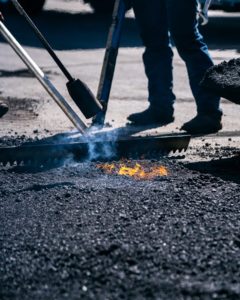
 Getting ready for an asphalt installation in Denver takes more than just picking a date. Whether you own a home in Park Hill or run a business along South Broadway, the success of your new asphalt surface starts with how well your property is prepped ahead of time. The Mile High City’s unpredictable weather, high elevation, and clay-heavy soil all play a role in how asphalt performs over time, so taking the right steps before installation day can make a big difference.
At ABC Asphalt, Inc., we’ve worked on everything from residential driveways in Washington Park to commercial lots in RiNo, and we know the little things that help a job go smoothly—both for you and for our crew.
Here’s what you need to do to get your property ready for asphalt installation day.
Key Takeaways
- Successful asphalt installation in Denver starts with knowing how local weather, soil, and tight neighborhoods affect preparation.
- A fully cleared work area with parking planned ahead helps crews work efficiently without unnecessary delays or problems.
- Good preparation includes telling neighbors, turning off sprinklers, securing pets, and protecting property from dust and heavy vibrations.
- A trusted local contractor like ABC Asphalt, Inc. brings experience to ensure installation day runs smoothly from start to finish.
Clear the Work Area of Vehicles, Furniture, and Debris
One of the most important things you can do ahead of installation day is to fully clear the space where the asphalt will be laid. That means moving cars, trailers, lawn furniture, garbage bins, and anything else that might be in the way.
In neighborhoods like Sloan’s Lake or Capitol Hill, where parking is tight, it’s smart to reserve street parking early or notify neighbors so you’re not scrambling the morning of.
Even small obstructions can delay the project or affect the final result.
Notify Your Neighbors and Arrange for Limited Access
If you live in a close-knit area like Congress Park or own a business off Colfax Avenue, it’s a good idea to give your neighbors or nearby businesses a heads-up. Asphalt installation equipment can be noisy and disruptive, and access to shared driveways or alleys may be temporarily restricted.
If you’re working on a commercial property, consider scheduling the job during off-peak hours and posting signage to reroute customer traffic. Communication goes a long way in keeping everyone happy and reducing stress on installation day.
Prepare for Dust and Vibrations During the Process
Denver’s dry climate—especially in late summer and early fall—means asphalt work can kick up a lot of dust, particularly in areas with bare soil or gravel shoulders like those in Green Valley Ranch. It’s a smart move to close windows, cover outdoor equipment, and even let tenants or employees know to expect some vibration from the heavy rollers.
While our team at ABC Asphalt, Inc. takes steps to minimize mess, preparing ahead helps protect your property and keeps surprises to a minimum.
Ensure Irrigation Systems and Sprinkler Heads Are Shut Off
In neighborhoods like Hilltop or Lowry, where lawn care systems are common, make sure your irrigation timers are turned off at least 24 hours before installation. Any water seepage can soften the subgrade, leading to compaction issues or even future surface failure.
Double-check that sprinkler heads near the installation area are either marked or removed to prevent accidental damage from our equipment.
Secure Pets and Inform Family or Staff
If you’ve got pets that roam the yard in areas like Montclair or Hampden, make sure they’re secured well before the crew arrives. The movement of large trucks and compactors can spook animals, and we want to ensure their safety.
For commercial clients, it’s just as important to inform employees or delivery drivers of the project timeline so they know when access will be limited and what alternate arrangements are available.
Provide a Clear Path for Equipment Access
Our trucks and paving equipment are big, and maneuvering them in tight areas—especially older parts of Denver like Baker or Five Points—requires careful planning. Make sure gates are unlocked and fences are opened if needed.
If your property backs up to an alley, confirm it’s free of blockages like trash bins or overhanging tree limbs. This helps us start on time and avoid damaging surrounding landscaping or structures.
Check Local Utility Markings and Permits if Applicable
In some parts of Denver, particularly areas undergoing redevelopment like Sun Valley or along Federal Boulevard, it’s not uncommon to run into unmarked utility lines.
If we haven’t already coordinated with Colorado 811, it’s helpful for you to ensure that utility lines have been located and marked prior to installation.
For larger commercial projects, make sure any city-required permits are in place so we don’t run into inspection delays or unexpected compliance issues.
Get Your Asphalt Project Started Right
A smooth, long-lasting asphalt surface starts before the first truck shows up.
At ABC Asphalt, Inc., we bring decades of local experience to every asphalt paving job. We understand Denver’s unique mix of urban density, climate extremes, and older infrastructure, and we guide you through each step so your installation day runs like clockwork.
Ready to get started?
Contact us today to schedule your asphalt installation or request a free site assessment.
Frequently Asked Questions
How long should I wait before driving on new asphalt?
Most residential driveways in Denver should cure for 48 hours before vehicle use, while high-traffic commercial areas may require up to 72 hours for proper durability and performance.
Can asphalt be installed during Denver’s winter months?
Asphalt installation in temperatures below 50°F risks poor compaction, so we recommend scheduling projects between late spring and early fall for the best long-term surface strength and stability.
How often should I sealcoat my asphalt surface?
In Denver’s high-altitude climate, sealcoating every two to three years protects against UV damage, snowmelt, and freeze-thaw cycles, keeping the surface strong and extending its overall lifespan significantly.
What maintenance should I do after installation?
Ongoing maintenance like sweeping, annual inspections, and timely crack repairs by a professional asphalt contractor helps maintain appearance, prevent costly damage, and extend service life despite Denver’s harsh seasonal changes.