
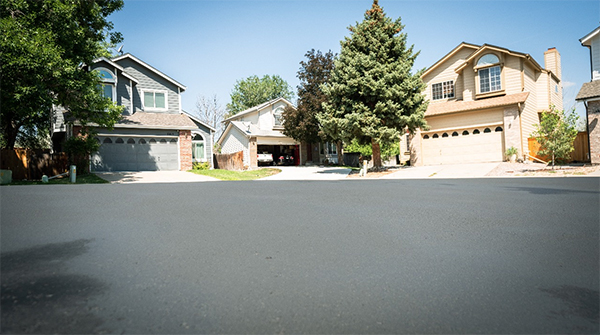
If you live in Denver, it is common to look at a smooth black driveway in neighborhoods like Stapleton or Highlands Ranch and wonder if sealcoating is really necessary yet. Preventive sealcoating often makes sense even when your asphalt looks fine on the surface.
Our freeze-thaw cycles, intense sun, and dry air quietly wear asphalt down before damage becomes obvious. Below, we break down when sealcoating is worth it and what to think through before scheduling service.
Key Takeaways
- Sealcoating can be worthwhile even when the asphalt still looks smooth and black.
- Denver’s sun and freeze-thaw cycles age asphalt before visible damage appears.
- Timing, weather, and existing conditions matter more than appearance alone.
- Preventive sealcoating often costs far less than early driveway replacement.
When Preventive Sealcoating Makes Sense
Even when asphalt looks fine, preventive sealcoating makes sense in a few specific situations that are common for Denver homes.
Newer Driveways Exposed To Strong Sun
Asphalt that is two to five years old often looks perfect, but UV exposure along the Front Range slowly dries out the surface oils. In areas like Central Park and Green Valley Ranch, south-facing driveways take the brunt of Denver’s high elevation sun.
That sun exposure leads to oxidation, which causes asphalt to lose flexibility long before cracks show up. Sealing at this stage helps block UV rays and retain those protective oils.
The practical takeaway is that sealcoating early helps extend the life of newer residential driveways.
Driveways Facing Freeze-Thaw Stress
Denver sees frequent temperature swings, especially in spring and fall, near neighborhoods like Lakewood and Wheat Ridge. Even tiny surface pores allow moisture in, which expands when it freezes overnight. Over time, that expansion weakens the asphalt from within, even if the surface still looks smooth.
Sealcoating creates a barrier that limits water intrusion during snowmelt and rain. Homeowners who seal early often avoid the first round of cracking caused by freeze-thaw cycles.
Asphalt With Light Surface Oxidation
Faded gray asphalt is an early sign of oxidation, not just a cosmetic issue.
Many homes built in the 1990s around Aurora and Centennial have driveways at this stage. The surface may feel slightly rough, but still be structurally sound. Sealcoating at this point restores flexibility and slows further surface wear.
The key benefit is preserving the asphalt before small issues turn into visible cracking.
Homes Where Long-Term Maintenance Matters
For homeowners planning to stay put, preventive sealcoating supports a long-term maintenance strategy. In Denver’s residential areas, full driveway replacement can easily cost several thousand dollars, depending on size and access.
Sealcoating every few years is far less expensive and helps delay that replacement. It works best when paired with basic crack monitoring and good drainage.
The main takeaway is that sealcoating protects your investment when longevity is the priority.
Things to Consider Before Scheduling Driveway Sealcoating
Sealcoating is not automatic for every driveway, and a few factors should guide the timing for Denver homeowners.
Existing Cracks or Structural Issues
Sealcoating is not a fix for cracks, alligatoring, or sinking areas. In older neighborhoods like Englewood or Arvada, some driveways already have movement from expansive soils common in Colorado. Those issues need repair before any sealcoat is applied.
Sealing over active damage can trap moisture and make problems worse. The smart approach is to evaluate asphalt repairs first, then sealing once the surface is stable.
Timing Around Denver’s Weather Patterns
Sealcoating requires dry conditions and daytime temperatures typically above 50 degrees for proper curing. In Denver, the best window is usually late spring through early fall, avoiding sudden cold snaps.
Afternoon thunderstorms along the foothills can also disrupt curing if not planned around. Scheduling during stable weather reduces tracking, peeling, and uneven finish. Planning makes a noticeable difference in results.
HOA Rules and Neighborhood Standards
Some Denver metro HOAs, especially in newer developments, have rules about driveway appearance and timing of exterior work.
Sealcoating darkens the surface significantly at first, which may require approval in certain communities. It is important to check the HOA guidelines before scheduling service. This step avoids delays or compliance issues after the work is done.
A quick review upfront keeps the process smooth.
Usage and Daily Wear
Households with multiple vehicles or frequent deliveries may see faster surface wear. In areas near schools or parks like Washington Park neighborhoods, short trips and frequent turning stress asphalt more than long commutes.
Sealcoating helps, but heavy use may shorten its lifespan slightly. Understanding how your driveway is used helps set realistic expectations.
The takeaway is that lifestyle affects how often sealing is beneficial.
Protect Your Driveway Before Problems Start
Small surface changes today can turn into costly driveway repairs after a few Denver winters. Sealcoating at the right time helps block sun damage, moisture, and everyday wear before cracks appear.
At ABC Asphalt, Inc., we inspect residential driveways carefully and recommend sealcoating only when it truly makes sense for your home. If you want clear guidance and professional application, schedule service or request a quote with us this season.
Frequently Asked Questions
How often should I sealcoat my driveway in Denver if it still looks good?
Most residential driveways in Denver benefit from sealcoating every two to three years, depending on sun exposure, snowmelt, and daily use.
Can sealcoating help with the small hairline cracks I barely notice?
Sealcoating can help protect against moisture intrusion, but visible cracks should be properly filled first to meet best practices for asphalt maintenance.
Does sealcoating make my driveway slippery in winter?
Properly applied sealcoat includes sand additives for traction, and normal snow removal practices keep winter safety consistent with unsealed asphalt.
Is sealcoating affected by Denver building codes or permits?
Residential driveway sealcoating typically does not require permits, but local HOA guidelines and drainage rules should always be reviewed before scheduling.